

Modern sports have evolved beyond fitness and competition. Today, sports techniques are valued not only for building strength or endurance but also for developing critical thinking, adaptability, and real-world problem-solving skills. Athletes are now recognized for their ability to read situations, anticipate outcomes, and make split-second decisions that mirror real-life challenges. Sports have become living classrooms for real-world practicality, offering lessons that extend far beyond the court, field, or gym.
From team-based games to adventure challenges, each sport provides a unique opportunity to engage both the mind and body. The latest research and articles highlight that activities emphasizing problem-solving help athletes develop skills such as decision-making under pressure, strategic thinking, and leadership, all of which carry over into everyday life. These sports blend physical prowess with cognitive growth, creating well-rounded individuals who can adapt and thrive in dynamic environments.
Team Strategy Games: Coordination and Quick Thinking
Sports/Activities: Soccer, Basketball, Rugby, Volleyball
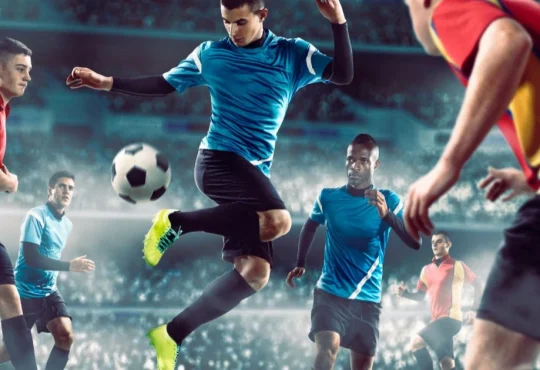
Team sports are ideal arenas for real-world problem-solving because they require collaboration, rapid assessment, and decisive action. In soccer, players continuously track opponents’ positions, predict movements, and adjust formations. Basketball emphasizes instant decision-making under pressure, requiring players to know when to pass, shoot, or defend based on teammates’ locations and opponents’ patterns. Volleyball demands constant communication, with players adjusting strategies for spikes, blocks, and serves.
For example, in rugby, a player must decide whether to pass, kick, or run with the ball, often in less than a second. These decisions involve weighing risks, anticipating reactions, and coordinating with the team. Coaches often design practice sessions around scenario-based drills that simulate high-pressure moments, teaching players to think critically while staying physically active.
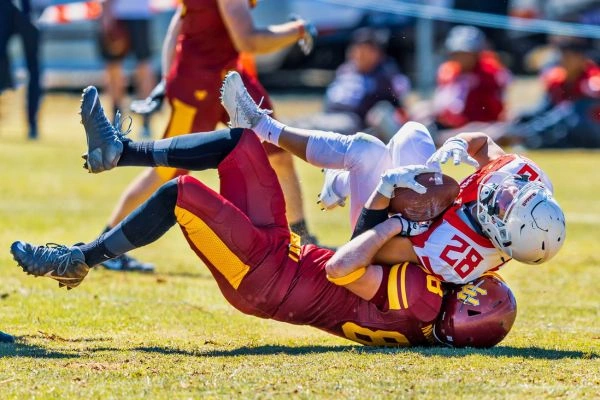
Problem-Solving Focus: Reading opponents’ strategies, coordinating team tactics under pressure, and adapting quickly to evolving situations.
Real-World Practicality: Enhances teamwork, decision-making under stress, and leadership skills. These abilities transfer naturally to workplaces, classrooms, and social environments where collaboration and quick thinking are essential.
Team sports also encourage players to learn from mistakes in real-time. When a strategy fails, athletes must regroup, analyze what went wrong, and implement a new plan on the spot. This iterative problem-solving approach mirrors real-world challenges, where trial and error often lead to innovation and improvement.
Obstacle Courses & Adventure Racing: Risk Assessment and Route Planning
Sports/Activities: Ninja Warrior-Style Courses, Parkour, Obstacle Races
Obstacle courses and adventure racing require both physical strength and mental agility. These sports push participants to plan efficient routes, balance risk with reward, and adapt to unpredictable physical challenges. In parkour, athletes must navigate urban obstacles, often leaping or climbing in creative ways to maintain momentum. Obstacle races combine running, climbing, crawling, and balancing elements that challenge the body and mind simultaneously.
Athletes must constantly evaluate risks: jumping from one platform to another may save time but increase the chance of injury, while a safer path may require more energy or time. This continuous decision-making process trains the mind to weigh options, anticipate consequences, and respond quickly. Adventure racing often includes teamwork, requiring communication and collaboration to overcome complex courses.
Problem-Solving Focus: Planning efficient routes, balancing risk and reward decisions, and analyzing physical and environmental challenges.
Real-World Practicality: Enhances adaptive thinking, resilience, and decision-making in dynamic, high-pressure situations.
Obstacle courses also foster spatial awareness. Participants learn to read terrain quickly, adjust movements, and conserve energy effectively. These skills translate into everyday scenarios where quick judgment and risk management are critical, such as navigating busy urban spaces or handling sudden work challenges.
Individual Strategy Sports: Tactical Thinking and Patience
Sports/Activities: Tennis, Golf, Fencing, Badminton
Individual strategy sports emphasize mental engagement as much as physical ability. In fencing, athletes must read an opponent’s body language and anticipate attacks while remaining agile. Tennis players adjust shots based on opponents’ positioning, spin, and court surface. Golf requires careful planning for every stroke, considering wind, slope, and hazards. Badminton players must quickly judge shuttle trajectory and adapt footwork accordingly.
These sports develop patience, analytical thinking, and energy management. Athletes learn to pace themselves, plan sequences, and adjust strategies mid-game. These problem-solving skills enhance the ability to analyze situations, consider alternatives, and make informed decisions under pressure.
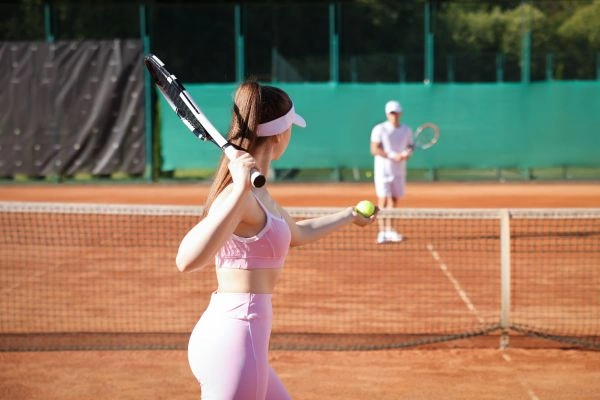
Problem-Solving Focus: Predicting opponents’ moves, adjusting tactics mid-game, and strategic energy management.
Real-World Practicality: Builds analytical thinking, patience, and structured decision-making, helping participants excel in work, academics, and personal projects.
Individual strategy sports also reinforce the importance of reflection. Players frequently review past performances to identify patterns, strengths, and weaknesses. This habit of self-assessment fosters critical thinking and continuous improvement, essential components of real-world problem-solving.
Combat & Martial Arts: Precision Under Pressure
Sports/Activities: Judo, Karate, Brazilian Jiu-Jitsu, Taekwondo
Combat and martial arts focus on rapid situational assessment, precise execution, and mental discipline. Judo practitioners must anticipate opponents’ movements and respond with the correct throw or counter. Karate and Taekwondo emphasize timing, speed, and accuracy, requiring athletes to analyze opponents’ intentions and act strategically. Brazilian Jiu-Jitsu integrates leverage and technique to overcome opponents while managing personal energy efficiently.
These sports enhance situational awareness and critical thinking. Participants must make split-second decisions that balance offense and defense, read subtle body cues, and adjust strategies under pressure. Martial arts also cultivate self-discipline, resilience, and confidence, which are invaluable outside competitive arenas.
Problem-Solving Focus: Responding to attacks and countering effectively, reading opponents’ intentions, executing techniques under pressure.
Real-World Practicality: Develops situational awareness, self-discipline, and strategic thinking that are transferable to real-life problem-solving situations.
Martial arts training also emphasizes learning from failure. Each sparring session provides feedback on technique and decision-making, creating a growth mindset. This iterative learning mirrors real-world challenges where adapting and improving after setbacks is essential for success.
Water & Adventure Sports: Dynamic Decision-Making
Sports/Activities: Kayaking, Sailing, Surfing, Rock Climbing
Water and adventure sports test athletes’ abilities to respond to constantly changing conditions. Surfing requires evaluating wave patterns and making quick decisions about when and how to ride a wave. Kayaking and sailing involve navigating currents, wind, and obstacles while maintaining balance and speed. Rock climbing requires planning sequences for movement, problem-solving to overcome holds, and adjusting techniques based on terrain.
Athletes in these sports develop strong risk assessment skills. They learn to identify hazards, prioritize safety, and adjust strategies on the fly. These adaptive skills translate into real-world situations that demand calm, informed decision-making under uncertainty.
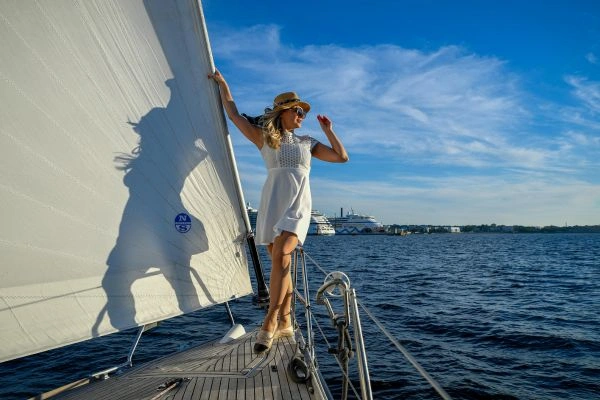
Problem-Solving Focus: Navigating unpredictable environments, making split-second decisions, adjusting techniques to dynamic conditions.
Real-World Practicality: Builds adaptability, resilience, and risk management skills applicable in daily life, from travel to professional problem-solving.
Adventure sports also encourage creativity. Participants must find innovative ways to overcome challenges, such as creating efficient climbing paths or modifying paddle strokes to suit water conditions. This type of creative problem-solving supports flexible thinking in other aspects of life.
Mind-Body Coordination Sports: Focused Problem-Solving
Sports/Activities: Archery, Shooting, Gymnastics, Yoga Challenges
Mind-body sports emphasize precision, concentration, and controlled movement. Archers and shooters must account for distance, wind, and body stability to make accurate shots. Gymnasts perform intricate sequences that require spatial awareness and timing. Yoga challenges develop balance, flexibility, and mental focus, training participants to stay present and deliberate in their movements.
These sports strengthen cognitive control and methodical problem-solving. Participants learn to plan actions carefully, adapt to subtle environmental changes, and maintain focus under pressure. This mind-body integration supports skillful handling of real-world tasks requiring concentration, patience, and strategic thinking.
Problem-Solving Focus: Concentration and precision under varying conditions, planning sequences carefully, adapting to subtle environmental changes.
Real-World Practicality: Enhances focus, patience, and methodical problem-solving, applicable to professional work, study, and creative projects.
Mind-body coordination sports also teach emotional regulation. Athletes practice remaining calm under pressure, handling frustration from errors, and maintaining consistency. These lessons in resilience and emotional control carry over into everyday problem-solving and stress management.
Puzzle-Based Team Challenges: Collaboration and Strategy
Sports/Activities: Orienteering, Escape Room-Style Physical Challenges, Scavenger Hunts
Puzzle-based team challenges blend physical activity with strategic thinking. Orienteering requires map-reading, route selection, and environmental analysis to navigate between checkpoints efficiently. Escape room-style physical challenges combine mental puzzles with physical tasks under time pressure. Scavenger hunts encourage creativity, collaboration, and resource management as teams identify solutions while moving through unknown areas.
These activities cultivate teamwork, critical thinking, and adaptive problem-solving. Participants learn to interpret clues quickly, make strategic decisions, and coordinate with team members for optimal outcomes. Skills gained from these challenges directly mirror real-world scenarios, such as managing projects, solving logistical problems, or navigating unfamiliar environments.
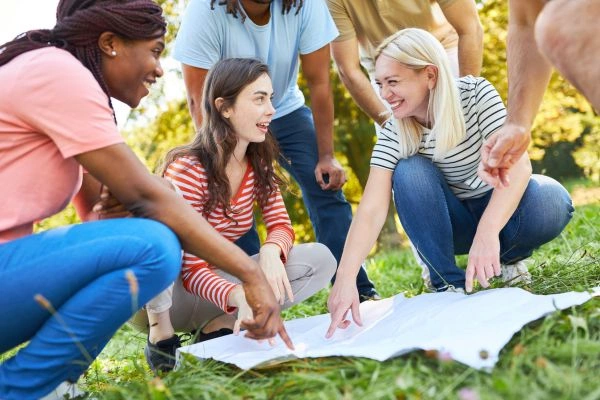
Problem-Solving Focus: Interpreting clues, navigating unknown terrain, collaboration, and resource management.
Real-World Practicality: Strengthens teamwork, critical thinking, and practical navigation skills, preparing participants for diverse real-life challenges.
Puzzle-based sports also encourage innovation and creative problem-solving. Teams must often find unconventional solutions to obstacles or constraints, mirroring the creativity needed in professional and personal problem-solving scenarios.
The Life Lessons Behind Modern Sports Techniques
The modern focus on sports techniques demonstrates that physical activity is about far more than performance or competition. Each sport provides a platform for real-world problem-solving, cognitive engagement, and practical skill development. Team sports teach communication and leadership. Individual strategy sports build analytical thinking and patience. Combat, water, mind-body, and puzzle-based sports develop adaptability, precision, and creative problem-solving.
By blending physical and mental challenges, sports prepare participants for success both on and off the field. They cultivate resilience, adaptability, and decision-making skills that translate into personal, professional, and social environments. As the world embraces the cognitive aspects of athletic performance, sports continue to serve as powerful training grounds for life skills, offering lessons in leadership, collaboration, and critical thinking.
Whether competing at the highest levels or participating recreationally, athletes engaging with these modern sports gain more than trophies or medals. They gain lifelong skills that equip them to solve problems, think strategically, and navigate complex situations, embodying real-world practicality in every movement.