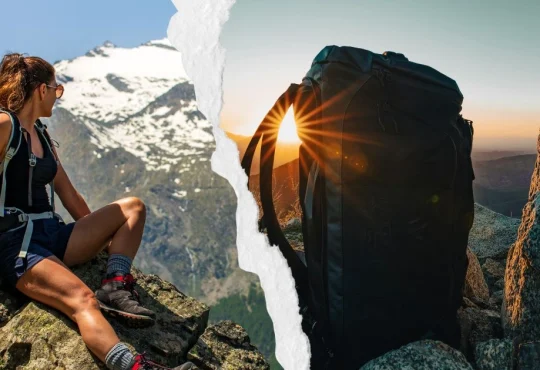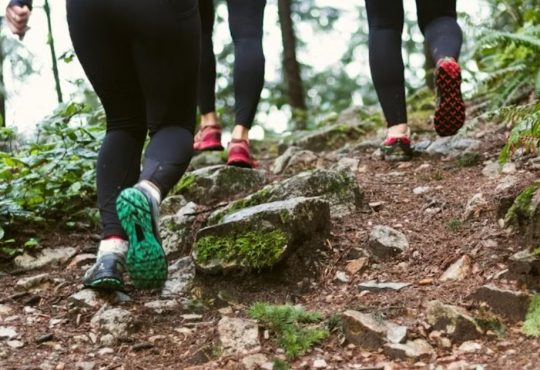


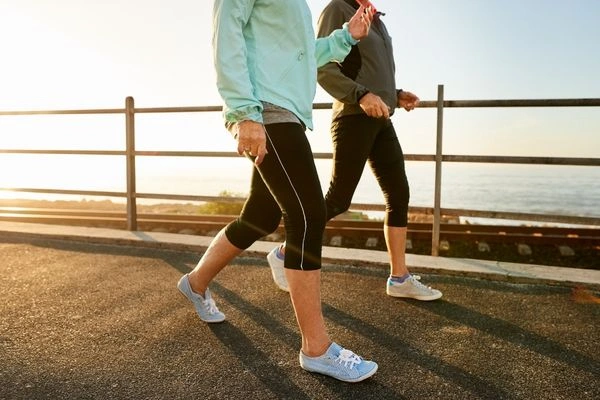
Walking is one of the most accessible and sustainable forms of outdoor fitness. It requires minimal equipment, suits people of different ages and fitness levels, and can adjust to various environments, from city sidewalks to forest trails. Whether the goal is brisk power walking in an urban park, long-distance nature walks, or a daily routine focused on health and mental well-being, the right accessories can greatly improve the experience.
As interest in walking has grown globally, so has the market for supportive gear. Modern walking accessories focus on comfort, injury prevention, safety, and performance tracking. In 2026, walkers have access to smarter, lighter, and more ergonomic products designed to meet evolving fitness needs. This guide explores the essential walking accessories that support outdoor fitness, with added context, practical details, and examples of trusted global brands.
Why Walking Accessories Matter
Walking may appear simple, but the body still absorbs repeated impact and responds to environmental conditions such as heat, cold, wind, and uneven terrain. Accessories play an important role in managing these factors. Quality gear improves comfort, helps prevent common issues like blisters and joint pain, and supports consistency by making walks more enjoyable.
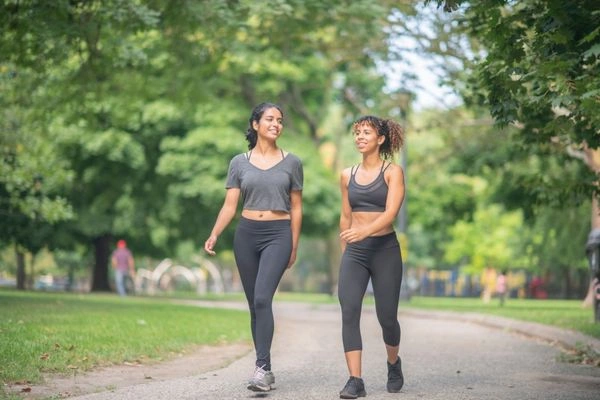
Supportive footwear reduces strain on ankles, knees, and hips. Hydration solutions prevent dehydration, which can affect endurance and focus. Wearable fitness devices motivate measurable progress, while safety accessories offer reassurance during early morning or evening walks.
Outdoor walking routines are rarely identical. Some days involve short neighborhood walks, while others include longer routes or varied surfaces. Accessories help walkers adapt to these changes with confidence. As walking continues to be recognised as a lifelong fitness habit, brands have responded with products that combine durability, comfort, and thoughtful design.
Footwear Essentials For Performance And Comfort
Footwear forms the foundation of any effective walking routine. Shoes and socks work together to support natural movement, absorb shock, and reduce friction. Selecting the proper combination can reduce fatigue and protect against overuse injuries.
1. Comfortable Walking Shoes
Walking shoes are designed specifically for forward motion and repeated heel-to-toe movement. Unlike general athletic shoes, they often feature flexible forefoot areas, stable midsoles, and cushioning that supports longer periods of low-impact activity.
Key features to look for include responsive cushioning, breathable uppers, and a secure heel fit. Shoes should feel comfortable immediately, with sufficient space in the toe area to allow natural foot expansion during longer walks.
Brands such as Saucony, Asics, New Balance, and Brooks are frequently recommended for walking due to their focus on support and comfort. Many models are available in multiple widths and arch profiles, making them suitable for different foot shapes. Selecting the right size and support level reduces the risk of blisters, plantar discomfort, and joint strain.
2. Supportive Socks
Socks are frequently underestimated, but they are essential for comfort. High-quality walking socks help manage moisture, reduce friction, and provide light compression where needed. Materials like merino wool blends or synthetic fibers like polyamide and polyester wick sweat away from the skin, keeping feet dry and cool.
Compression socks or socks with targeted cushioning support the arches and calves, which can reduce fatigue during longer walks. Seamless designs also minimize irritation, making them ideal for frequent or extended outdoor walking sessions.
Hydration And Storage Solutions
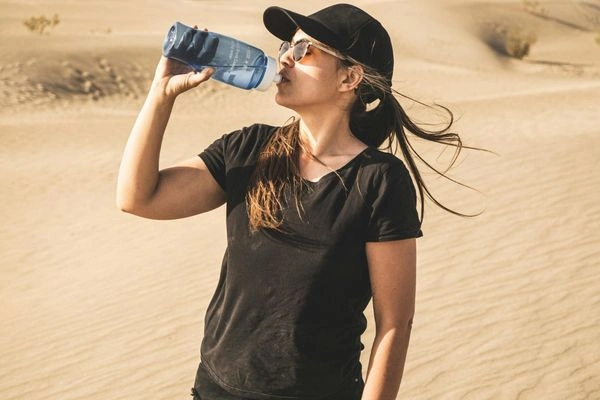
Hydration is essential for outdoor fitness, especially during warm weather or extended walks. Even mild dehydration can lead to reduced performance, headaches, and muscle cramps. Planning hydration helps maintain energy levels and overall comfort.
3. Hydration Packs And Backpacks
Hydration packs and backpacks provide hands-free access to water and are ideal for walkers who prefer longer routes or varied terrain. These packs distribute weight evenly and often include additional storage for small essentials.
Popular options include lightweight hydration vests designed for fitness walking and larger backpacks suited for mixed walking and hiking. Examples include the Custom Camel Pack Hydration Vest Backpack for budget-conscious users, the INOXTO Hydration Pack Backpack for everyday fitness walks, and the INOXTO 25L Hiking Hydration Backpack for those needing extra storage capacity. Reflective models such as the Haweel Outdoor Camping Hydration Pack also improve visibility during low-light conditions.
For shorter walks, handheld water bottles or waist packs with bottle holders are practical alternatives. These options are lightweight and easy to use without adding bulk.
Sun Protection Gear For Outdoor Walkers
Sun exposure is a constant factor in outdoor walking. Protecting the skin and eyes reduces the risk of long-term damage and improves comfort during bright conditions. Sun protection should be considered an essential part of any walking routine.
4. Sun Protective Clothing And Accessories
Wide-brim hats and breathable caps shield the face and neck from direct sunlight while helping regulate body temperature. Lightweight designs with ventilation panels prevent overheating.
Sunglasses with full UV protection protect the eyes from harmful rays and reduce glare, improving visibility and comfort. Wraparound styles or sport-specific frames stay secure during movement.
UPF-rated clothing, including lightweight jackets and long-sleeve tops, provides additional sun protection without sacrificing breathability. These garments are especially useful for long-distance walks or open environments with minimal shade.
Fitness Tracking Devices
Wearable fitness technology has become a central part of modern outdoor fitness. Tracking devices help walkers stay motivated by offering measurable insights into daily activity and long-term progress.
5. Fitness Trackers And Smart Watches
Fitness trackers monitor steps, distance, heart rate, and active minutes, making them ideal for walkers focused on consistency and goal setting. Smart watches provide advanced functions, including GPS tracking, route mapping, weather updates, and safety alerts.
Devices with built-in GPS are particularly useful for outdoor walking, as they record distance and pace accurately without relying on a smartphone. Many current models also include walking-specific activity modes that analyze cadence and intensity.
Choosing between a basic tracker and a smart watch depends on individual goals and budget. Entry-level bands are suitable for tracking daily movement, while advanced watches appeal to walkers who enjoy detailed performance data and navigation features.
Audio Accessories For Motivation And Safety
Audio accessories can make walks more enjoyable and help maintain motivation. Music, podcasts, and audiobooks add variety to routines, especially during longer or repetitive routes.
6. Earbuds and Open-Ear Headphones

Wireless earbuds designed for active use offer sweat resistance, secure fits, and long battery life. These features ensure comfort and reliability during outdoor walks.
Open-ear headphones have gained popularity among walkers who prioritize safety. These designs allow ambient sounds to remain audible while delivering audio through bone conduction or directional speakers. This is particularly useful when walking near traffic, cyclists, or other pedestrians.
Safety And Convenience Accessories
Outdoor walking often takes place in changing conditions and environments. Safety-focused accessories provide peace of mind and help walkers remain visible and prepared.
7. Reflective Gear And Lighting
Reflective vests, armbands, and clip-on lights enhance visibility during early morning or evening walks. These accessories are lightweight and easy to add to existing outfits.
Rechargeable LED lights or headlamps improve visibility on dim paths and alert others to a walker’s presence. Reflective elements on clothing and bags further increase safety without adding bulk.
8. Personal Safety Devices
Personal safety alarms are compact devices that emit a loud sound and flashing light when activated. These alarms can deter unwanted attention and attract help if needed. They are particularly useful for solo walkers or those exploring quieter areas.
Weather Preparedness And Clothing Layers
Weather conditions can change quickly, especially during longer walks. Proper clothing helps maintain comfort and prevents exposure-related discomfort.
9. Weather Ready Layers
Moisture-wicking tops draw sweat away from the skin, helping regulate body temperature. These fabrics remain comfortable across a range of conditions.
Light jackets and windbreakers protect cool breezes without restricting movement. Modern versions are often foldable or packable for easy portability.
Water-resistant outerwear is essential for unexpected rain. Lightweight rain jackets keep walkers dry while allowing airflow to prevent overheating.
Layering allows walkers to adjust clothing based on temperature, exertion level, and weather changes. This flexibility supports longer and more comfortable walks throughout the year.
Nutrition And Recovery Accessories
Fueling the body properly and supporting recovery enhances walking performance and reduces fatigue over time.
10. Hydration And Snacks
Electrolyte-enhanced drinks help replace minerals lost through sweat and support hydration during longer walks. Portable snack options such as nuts, dried fruit, and energy bars provide quick fuel without adding weight.
Carrying nutrition in small pouches or backpack compartments ensures easy access when needed.
11. Recovery Tools
Recovery accessories support muscle health and comfort after walks. Compression bands improve circulation, while foam rollers and massage tools help relieve muscle tension.
Incorporating recovery into a walking routine helps maintain consistency and reduces the likelihood of soreness or injury, especially for those increasing distance or intensity.
Choosing The Right Gear For Your Needs
Selecting walking accessories depends on personal fitness goals, walking environment, and routine frequency. Casual walkers may focus on comfortable shoes and simple hydration, while fitness-focused walkers often invest in tracking devices, hydration packs, and protective gear.
Starting with core essentials such as footwear, socks, and hydration is recommended. Additional accessories can be added gradually as walking habits evolve. Fit, durability, and ease of use should always be prioritized when selecting gear.
Step Up Your Fitness With Essential Walking Accessories
Walking remains one of the most versatile and effective forms of outdoor fitness. The right accessories enhance comfort, safety, and enjoyment, helping maintain consistency and motivation.
As walking gear advances, users can anticipate more innovative designs, lighter and more durable materials, and technology that integrates seamlessly into their routines. Selecting accessories that cater to personal needs and different environments transforms outdoor walking from a simple exercise into a sustainable and fulfilling lifestyle habit.