

Swimming faster isn’t just about muscles or speed alone. It’s about moving through the water with precision, efficiency, and smart training paired with the right tools. Whether you’re training for competition, triathlon, or just personal improvement, understanding technique, power development, gear choices, and training structure can make a world of difference.
This guide shows how to swim faster by breaking down the best ways to improve speed in the pool, the gear that can help refine your skills, and actionable steps to swim smarter, not just harder.
Why Speed In Swimming Comes Down To More Than Strength
At its core, faster swimming is about efficient movement through water. Every time a swimmer enters the pool, water resistance is working against them. The more streamlined the body, the less resistance faced and the faster a swimmer can go with less effort.
Speed in water is a blend of:
- Hydrodynamic technique that reduces drag
- Muscle power that generates propulsion
- Body alignment and rhythm that conserve energy
- Strategy and pacing that maintain speed over distance
Workouts that focus purely on fitness may get your heart rate up, but real improvement comes when technique is refined and combined with strategic tools and coaching.
Key Swimming Techniques To Boost Speed
Master Your Body Position
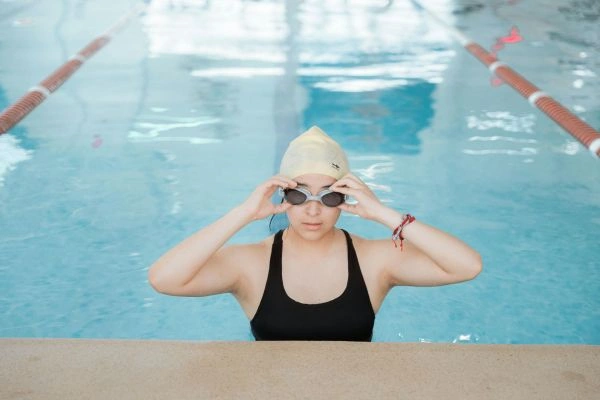
One of the most important fundamentals is maintaining a horizontal, streamlined body position. A neutral head and spine alignment reduces drag and helps every stroke move more water rather than fight resistance. Keeping your head down and looking toward the pool bottom rather than forward helps keep your hips high in the water and reduces unnecessary drag.
Quick drills to improve alignment:
- Streamline glide off the wall push‑offs
- Side kick drills with straight body line
- Head‑still freestyle sets to focus on body balance
Perfect Your Stroke Mechanics
Efficient stroke mechanics enable swimmers to cover more distance per stroke and reduce wasted motion. This means keeping elbows high during the catch, pulling water backward rather than downward, and minimizing unnecessary movement that doesn’t translate into forward motion.
Swimmers can benefit from video analysis or coach feedback to identify:
- Stroke rate balance
- Hand entry position
- Pull timing
- Hip rotation
Leverage Streamline And Turns
Streamline is the position swimmers take when pushing off the wall or diving in. It involves tucking hands together above the head, pressing ears between your upper arms, and pointing toes. Proper streamlining dramatically cuts drag and lets you travel farther with each push off the wall.
Turn skills, especially the flip turn, also save time. When approaching the wall, maintaining speed and performing a quick, tight flip turn lets you push off with momentum instead of losing precious meters per lap.
Strengthen Your Kick Technique
A strong and efficient kick adds both propulsion and balance. Think of your legs as connectors that link your torso rotation and upper body pull. A kick that starts from the hips rather than the knees helps maintain rhythm and drives forward motion.
Kick tips:
- Flutter kicks point toes and maintain tight ankles
- Try vertical kicking drills to build core and leg power
- Vary kick stroke speed for different distances
Focus On Breathing Efficiency
Improving breathing technique and rhythm has a bigger impact on speed than many swimmers expect. Breathing should happen smoothly alongside your stroke rhythm rather than pause or disrupt it. Exhaling underwater before inhaling reduces tension and helps maintain a relaxed, efficient motion.
Practising bilateral breathing (breathing on alternate sides) helps balance body motion and ensures you’re not overusing one side.
Use Smart Pacing And Workout Logs
Swimmers who track their performance tend to improve faster because they can see what works and what doesn’t. Logging workouts—such as intervals, stroke counts, pace, or swolf scores (which blend speed and efficiency)—helps athletes measure progress over time and adjust training.
Implementing pacing strategies, such as interval sets with controlled rest, improves speed endurance far more than going long and slow each session.
Essential Swimming Gear to Swim Faster
The right equipment can accelerate skill development, help refine technique, and build strength more effectively. Many competitive swimmers and coaches recommend including specialized swim tools in training routines.
Competitive Swim Goggles
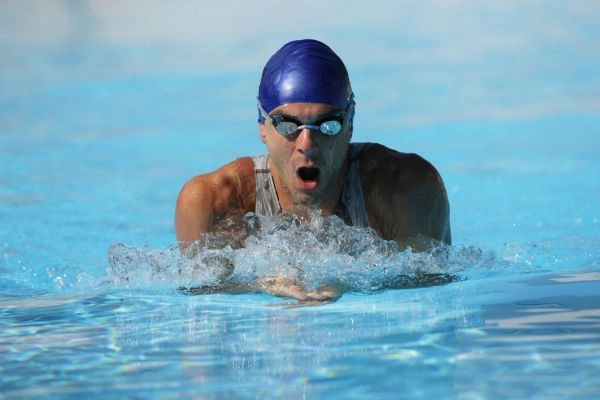
Sport‑specific goggles with a snug fit and low profile reduce drag and keep water out of your eyes. Clear, mirrored, and polarized lens options are available depending on whether you train indoors or outdoors.
Top picks:
- Arena Cobra Ultra Goggles
- Speedo Vanquisher 2.0
These models stay secure during intense swimming and provide a wide peripheral view so you can focus on stroke rhythm.
Swim Fins For Power And Technique
Training fins help strengthen leg muscles and improve ankle flexibility. Short‑blade fins build kick speed and technique without overly increasing propulsion, while longer blades are great for building leg power and endurance.
Recommended models:
- Speedo Biofuse Swim Fins
- TYR CrossBlade Fins
Incorporate fins into drills that build kick technique and propulsion so each kick contributes more to your forward momentum.
Swim Snorkels For Consistent Head Position
Many coaches now use training snorkels so swimmers can focus solely on stroke mechanics without interrupting their breathing rhythm. These allow swimmers to build perfect body alignment and fluid strokes.
A center‑mount snorkel encourages straight body alignment and minimal head movement, which leads to a more efficient stroke.
Pull Buoys And Hand Paddles
Pull buoys placed between the thighs elevate your hips and isolate upper body muscles, helping strengthen your pull technique. Hand paddles increase resistance against the water, forcing your arms and shoulders to work harder and build power while highlighting potential faults in hand entry or catch mechanics.
Consider adding these to training sets that focus on strokes and arm mechanics.
Tempo Trainers And Watch Devices
Tempo trainers provide metronome‑like beeps that help you practice rhythmic stroke patterns. Combined with a swim tracking smartwatch like Garmin’s swim models or Apple Watch Ultra, you can measure pace, stroke rate, rest intervals, and even stroke efficiency.
Weekly Training Structure For Faster Swimming
Frequency And Consistency
Building speed depends on consistent practice. Aim for at least four swim sessions per week if your schedule permits. Consistent shorter sessions often yield better speed gains than sporadic long swims.
This could look like:
- Day 1: Technique and drills
- Day 2: Interval sprint sets
- Day 3: Endurance pace training
- Day 4: Mixed skills and recovery
Most swimmers see improvement when they focus each session on a single training objective (power, technique, endurance, or speed).
Mix Sprint And Endurance Sets
Sprint sets build fast-twitch muscle responses, while endurance sets keep your technique sharp when tired. A balanced approach ensures you can maintain proper form even during longer swims.
For example: swim 8 x 50m fast with short rest, then follow with 4 x 200m at a controlled pace.
Dryland Strength Training
A strong core and shoulders are vital for efficient swimming technique and speed. Exercises like planks, pull‑ups, resistance band rows, and yoga help build stability and flexibility that translate into cleaner strokes and faster movement through water.
Sample Drill Breakdown
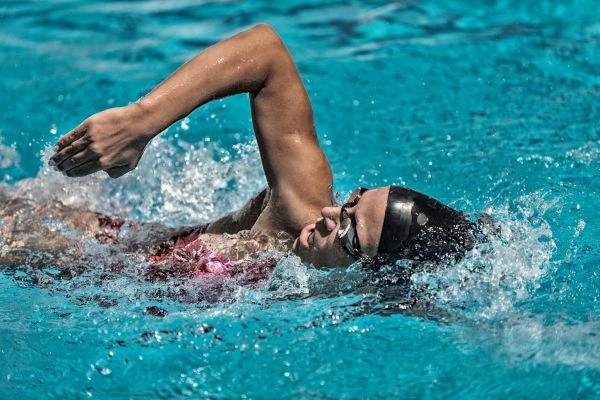
- High‑Elbow Catch Drill
-
- This drill teaches you to maintain a powerful catch phase where your hand enters the water and pulls water backward efficiently.
-
- Keep your elbow high and your forearm vertical as you pull.
- Streamline Kick Off
-
- Push off the wall in a perfect streamline position and dolphin kick underwater until you break the surface.
-
- This strengthens your body alignment and maximizes distance per push off.
- Bilateral Breathing Drills
-
- Swim sets where you breathe alternately on every 3rd or 5th stroke help balance your body and prepare you for endurance and speed conditions.
Each drill reinforces a different fundamental, blending strength, balance, and timing.
Mistakes To Avoid When Trying To Swim Faster
Even dedicated swimmers can make common errors that slow improvement:
Overkicking or bending knees too much instead of kicking from the hips. Overkicking from the knees reduces propulsion efficiency and increases drag. This puts unnecessary strain on your lower back and legs, leading to faster fatigue. Focusing on hip-driven kicks engages core muscles and maintains a smoother body line. Proper technique ensures each kick contributes effectively to forward motion rather than wasting energy.
Lifting your head to breathe disrupts body alignment and increases drag. Raising your head shifts your hips downward, creating more resistance and slowing you down. It also interrupts stroke rhythm and can cause neck or shoulder strain over time. Practicing head-still breathing keeps your body in a streamlined position. Smooth, rotational breathing improves oxygen intake without compromising speed or efficiency.
Neglecting dynamic warmups before hitting the pool, which prepares muscles and reduces injury risk. Skipping warmups increases the risk of muscle pulls, strains, and joint injuries during intense swims. Dynamic stretches and mobility exercises prepare your body for the specific movements of swimming. They also enhance blood flow and mental readiness for training. A proper warmup ensures muscles respond effectively and improves overall performance.
Swim gear with poor fit, like loose caps, baggy shorts, or low‑quality goggles, that slow you down. Ill-fitting gear creates drag, distracts during training, and can even cause discomfort or skin irritation. Low-quality goggles can leak, forcing you to adjust mid-stroke and lose momentum. Choosing equipment that fits snugly improves comfort, efficiency, and confidence in the water. Well-fitted gear allows swimmers to focus fully on technique and speed.
How To Swim Smarter: Final Tips For Peak Performance
Swimming faster is a blend of smart practice, focused technique work, the right training tools, and consistent effort. By improving body position, stroke mechanics, breathing rhythm, and using gear geared for performance, swimmers can cut seconds off their times and move through water with greater ease.
Training plans that balance sprint work, endurance, and drills combined with targeted gear like fins, snorkels, and tempo trainers help athletes swim faster and smarter, not just harder. Whether training solo or with a coach, the key to improvement lies in practice that challenges form and efficiency while tracking progress toward clear goals.