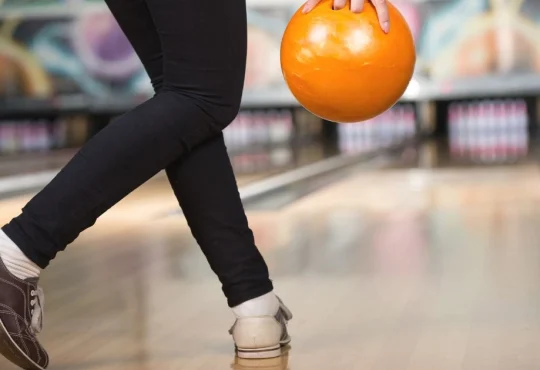


Bowling comes in many forms, but one variation has been quietly gaining attention in entertainment centers and boutique bowling venues. Many new players who search online ask the same question: What is duckpin bowling, and why does it feel so different from traditional bowling? Duckpin bowling is a unique style of bowling that uses smaller pins, lighter balls, and a slightly different scoring dynamic. The pins are shorter and rounder than the tall pins used in standard ten-pin bowling, giving them a duck-like shape. That distinctive design is where the name duckpin bowling originated.
This version of bowling has been gaining renewed popularity in modern bowling lounges and social venues. Businesses such as Bowlero Corporation and equipment suppliers like Brunswick Bowling and QubicaAMF have helped introduce newer audiences to the game through updated bowling centers and modern lane systems.
The rules remain easy to learn, yet the gameplay feels different enough to keep even experienced bowlers curious. Understanding how duckpin bowling works, where it came from, and how to play it can make a casual bowling outing far more enjoyable.
What Is Duckpin Bowling
The easiest way to understand what duckpin bowling is is to compare it with standard ten-pin bowling. Both games involve rolling a ball down a lane toward ten pins arranged in a triangular formation. The objective is still to knock down as many pins as possible. The difference lies in the equipment and gameplay style. Duckpin bowling uses smaller, shorter, rounder pins and balls with no finger holes. Because the ball is smaller, players grip it in the palm rather than insert their fingers into the drilled holes.
These equipment changes create a completely different experience on the lanes. Knocking down all ten pins becomes significantly harder, and strikes are much rarer. That added challenge is one reason duckpin bowling has developed a loyal following among players who enjoy precision and strategy.
Modern bowling venues have begun introducing duckpin lanes to attract new players seeking something slightly different from a traditional bowling night.
The History Of Duckpin Bowling
The origins of duckpin bowling trace back to the early 1900s in the United States. Historical records connect the game to bowling clubs in the Baltimore area, where players began experimenting with smaller pins and lighter balls. The name “duckpin” reportedly came from the shape of the pins. Their short, rounded appearance reminded bowlers of ducks standing upright. The design quickly became part of the game’s identity.

Several well-known figures in bowling history helped popularize duckpin bowling in its early years. Facilities affiliated with equipment manufacturers like Brunswick Bowling began installing duckpin lanes to expand the sport’s appeal. For decades, the game remained concentrated in certain regions of the United States, particularly Maryland, Connecticut, and Rhode Island. Today, entertainment venues and boutique bowling alleys are bringing the game to new audiences across North America and beyond.
How Duckpin Bowling Is Different From Regular Bowling
At first glance, duckpin bowling may appear similar to ten-pin bowling. However, the details make the experience feel quite different once the ball leaves the hand. Several elements set duckpin bowling apart.
Smaller Bowling Balls
Duckpin balls are much smaller than standard bowling balls and typically weigh around four pounds. They also have no finger holes, which alters how players grip and release the ball.
This makes the ball easier for beginners to control. At the same time, it demands greater accuracy because the lighter weight produces less pin action when hitting the pins.
Shorter And Rounder Pins
Duckpin pins are shorter and thicker than traditional pins. Their compact shape makes them harder to knock down, even with a direct hit.
Because the pins are lighter, they also bounce around the lane more unpredictably. Pins that fall can still deflect into other pins, creating surprising outcomes during a frame.
Three Rolls Per Frame
Traditional bowling allows two rolls per frame unless a strike is scored. Duckpin bowling allows three rolls per frame, unless all pins fall on the first roll.
This rule helps balance the difficulty created by the smaller pins and lighter ball. Players still have multiple chances to clear the frame.
Equipment Used In Duckpin Bowling
The equipment used in duckpin bowling plays a major role in its unique gameplay. Every element of the setup is slightly different from standard bowling gear.
Duckpin Bowling Balls
Duckpin balls are small enough to fit in one hand and usually weigh between three and four pounds. Since there are no finger holes, players cradle the ball in the palm and roll it forward.
This design makes the game accessible to players of different ages and experience levels. Even younger players can comfortably roll the ball without struggling with weight or grip.
Duckpin Pins
Duckpin pins are shorter and wider than regular bowling pins. Their squat shape makes them much more stable when struck by the ball.
This stability is one reason strikes are so difficult to achieve in duckpin bowling. Even accurate shots often leave several pins standing.
Bowling Lanes
Duckpin bowling lanes are similar in size to standard bowling lanes. The distance from the foul line to the head pin remains the same.
However, lane surfaces may be slightly adjusted at each bowling center. Some facilities apply different oil patterns to balance gameplay and improve consistency.
Companies such as QubicaAMF produce modern lane systems and scoring technology that support both duckpin and traditional bowling setups.
How To Play Duckpin Bowling
Learning how to play duckpin bowling is straightforward, even for beginners who have never bowled before.

Step 1: Stand At The Approach
Players begin at the approach area behind the foul line. Holding the ball comfortably in one hand, the bowler lines up with the center arrow or a chosen target on the lane.
The smaller ball makes control easier, helping beginners focus on aiming and timing.
Step 2: Roll The Ball Toward The Pins
The ball is rolled down the lane toward the pins. Because there are no finger holes, players rely on a smooth forward motion rather than a traditional bowling swing.
Accuracy plays a larger role in duckpin bowling because the ball carries less force when striking the pins.
Step 3: Continue Up To Three Rolls
Each player can roll the ball up to three times in a single frame unless all ten pins are knocked down earlier.
Clearing the pins on the first roll is called a strike. Knocking down all pins within two rolls counts as a spare.
Step 4: Keep Score Across Ten Frames
A standard duckpin game consists of ten frames, similar to traditional bowling.
Scores are calculated based on pins knocked down and bonus points earned through strikes and spares.
Scoring In Duckpin Bowling
The scoring system in duckpin bowling resembles ten-pin bowling, but with a few differences due to the three-roll format.
Strike
A strike happens when all ten pins are knocked down on the first roll. The score for that frame equals ten pins plus the total pins knocked down in the next two rolls.
Strikes are rare in duckpin bowling, which makes them exciting moments during a game.
Spare
A spare happens when all ten pins fall within two rolls. The score equals ten pins plus the number of pins knocked down on the next roll.
Because of the three-roll format, spares occur more often than strikes.
Open Frame
If pins remain standing after three rolls, the frame is recorded as open.
The score equals the number of pins knocked down during the frame.
Strategies For Playing Duckpin Bowling
Duckpin bowling rewards precision more than power. Experienced players often focus on technique rather than speed.
Focus On Accuracy
Because the ball is lighter, hitting your target accurately is crucial. A well-placed roll hitting the head pin at the right angle can knock down more pins than a fast but misaligned shot.
Practicing consistent release angles helps improve accuracy over time.
Use Controlled Speed
Throwing the ball too fast can cause it to deflect off the pins without knocking them down.
A smooth, controlled roll often produces better pin action and increases scoring opportunities.
Aim For The Pocket
Just like traditional bowling, hitting the pocket between the head pin and adjacent pin increases the chances of knocking down multiple pins.
This angle encourages pins to collide.
Why Duckpin Bowling Is Becoming Popular Again
Interest in duckpin bowling has increased in recent years as entertainment venues look for new ways to attract customers.
Modern bowling centers are creating social spaces that combine dining, music, and recreational activities. Installing duckpin lanes allows these venues to offer something unique compared with traditional bowling alleys.
Companies such as Bowlero Corporation have experimented with alternative bowling experiences to appeal to younger audiences.
Social media exposure and themed bowling venues have also helped introduce duckpin bowling to new players who may never have encountered the game before.
Where To Play Duckpin Bowling
Duckpin bowling is not available at every bowling alley, but its presence is expanding.
Some entertainment venues now include both standard lanes and duckpin lanes in the same facility. This lets guests pick the experience they enjoy most.

Regional bowling centers in parts of the United States still maintain traditional duckpin leagues. These leagues preserve the sport’s heritage while introducing it to new players.
Online directories and bowling association websites can help players find nearby duckpin bowling venues.
Tips For Beginners Trying Duckpin Bowling
New players often enjoy duckpin bowling because it feels approachable and less intimidating than traditional bowling.
Several tips can help beginners improve quickly.
Start With A Relaxed Grip
Because the ball has no finger holes, a comfortable grip is important. Holding the ball too tightly can affect the release.
A relaxed hand allows for smoother rolls.
Watch The Pins Carefully
Observing how the pins react after each roll helps players adjust their aim.
Small changes in alignment can make a big difference in the next frame.
Practice Consistency
Consistent foot placement and release timing improve accuracy over time.
Even experienced bowlers often need practice to adapt to the lighter ball and smaller pins.
The Future Of Duckpin Bowling
The growing popularity of boutique bowling venues has introduced duckpin bowling to audiences who might not normally visit traditional bowling alleys. Modern scoring systems, improved lane technology, and updated entertainment environments have made the game more accessible and enjoyable. Manufacturers like Brunswick Bowling and QubicaAMF continue developing equipment that supports both recreational and competitive play. As entertainment venues expand their offerings, duckpin bowling is likely to remain an appealing option for players looking for a fresh twist on a familiar game.
Frequently Asked Questions
- What Is Duckpin Bowling?
Duckpin bowling is a variation of bowling that uses smaller, rounder pins and lighter balls without finger holes. The pins are shorter and wider than standard bowling pins, which makes them harder to knock down. Players can roll the ball up to three times per frame instead of the usual two rolls in traditional bowling. Because of the smaller ball-and-pin design, strikes are less common, and the game often requires greater accuracy.
- Why Is Duckpin Bowling Called Duckpin Bowling?
The name comes from the pins’ appearance. Duckpin pins are short and rounded, resembling ducks standing on their heads. Early bowlers in the United States began using this nickname in the early 20th century when the game first became popular in bowling clubs. Over time, the term duckpin bowling became the official name of this bowling style.
- Is Duckpin Bowling Harder Than Regular Bowling?
Many bowlers consider duckpin bowling more challenging than standard ten-pin bowling. The smaller ball exerts less force when it hits the pins, making strikes harder to achieve. The shape of the pins also makes them more stable, reducing the likelihood of them falling. However, players are allowed three rolls per frame, which helps balance the increased difficulty.
- How Is Duckpin Bowling Scored?
Duckpin bowling uses a scoring system similar to traditional bowling. A strike occurs when all ten pins are knocked down on the first roll, while a spare happens when all pins fall within two rolls. Players can roll up to three times per frame if pins remain standing. A full game consists of ten frames, and bonus points are awarded for strikes and spares.
- Where Can You Play Duckpin Bowling?
Duckpin bowling is common in certain regions of the United States, particularly Maryland, Connecticut, and Rhode Island. In recent years, entertainment centers and boutique bowling venues have started installing duckpin lanes to attract new players. Some modern bowling lounges now offer both traditional bowling lanes and duckpin bowling options in the same facility. Online bowling directories and local entertainment listings can help locate venues that offer the game.
Final Thoughts On Duckpin Bowling
Understanding what duckpin bowling is opens the door to a fascinating variation of a classic sport. The smaller balls, shorter pins, and three-roll format create a challenge that rewards accuracy and strategy. The game combines simplicity with surprising depth. Beginners can enjoy it immediately, while experienced bowlers often appreciate the skill required to master it. With modern bowling venues embracing the format and new players discovering its charm, duckpin bowling continues to carve out its place alongside traditional bowling as an entertaining and skill-based activity for all ages.